
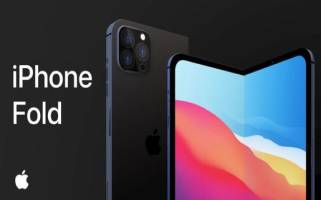
一、The Long-Standing “Fold Line Pain Point” in the Android Camp
For years, foldable smartphones have been a hot topic in the tech industry, but Android manufacturers have been stuck with a persistent issue: screen fold lines. Even with repeated upgrades to hinge technology and the adoption of more durable Ultra-Thin Glass (UTG) materials, devices like Samsung’s Galaxy Z Fold series and Huawei’s Mate X series still show visible indentations at the folding point after long-term use. In some cases, this even leads to problems such as screen warping and liquid leakage.
The root cause lies in two physical limitations: when flexible screens bend, the surface material concentrates stress, leading to permanent deformation; at the same time, if the mechanical structure of the hinge fails to achieve perfect fit, it will further exacerbate the formation of fold lines. Android brands have tried various solutions, from optimizing hinge curves to adding buffer layers, but they can only “reduce” fold lines rather than “eliminate” them. This technical bottleneck has become a major obstacle to the popularization of foldable phones.
二、Apple’s “Three-Core Innovations” to Break Through the Fold-Line Dilemma
According to supply chain sources and technical revelations, Apple’s upcoming iPhone Fold (expected to be launched in 2026-2027) will become the first foldable phone to truly achieve a “fold-line-free” design, relying on three core technological breakthroughs:
1. Customized “Polarizer-Free” OLED Panel (Co-developed with Samsung Display)
Apple has abandoned the traditional “sandwich structure” of foldable screens. Samsung Display exclusively supplies an OLED panel without a polarizer, and the touch sensor is directly embedded in the panel. This design not only reduces the screen thickness by 19% but also increases light transmittance to 92%. More importantly, it eliminates the stress concentration point caused by the polarizer during folding, laying the foundation for a fold-line-free effect.
2. Self-Developed Dynamic Tension System
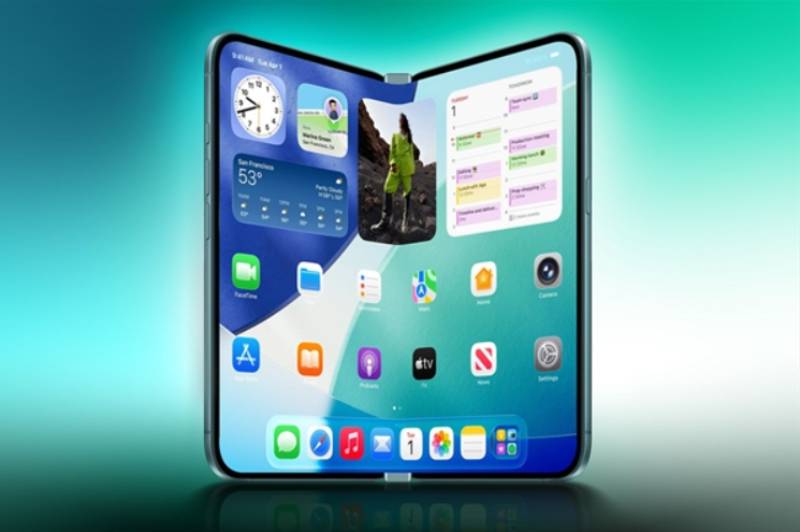
The key to eliminating fold lines lies in real-time stress adjustment. Apple has spent three years developing a dynamic tension system composed of 200 micro-sensors. When the screen is folded, these sensors can instantly detect the stress distribution of the screen and cooperate with polymer filling technology to control the depth of fold lines at the 0.1mm level—a range that is almost invisible to the naked eye. Laboratory tests show that this screen can withstand 200,000 folding tests (equivalent to 55 folds per day for 10 years), far exceeding the industry average of 100,000 times.
3. High-Strength Liquid Metal Hinge
The hinge is the “soul” of a foldable phone, and Apple has chosen high-strength liquid metal (a titanium alloy and carbon fiber composite material) for this component. Compared with traditional stainless steel hinges, it has better wear resistance and deformation resistance, and the tolerance is controlled within ±5 microns. This not only ensures that the screen fits perfectly during folding but also reduces the mechanical damage to the screen caused by hinge shaking. The cost of this hinge is about $70-80, which is 30% lower than that of Samsung’s latest hinge solution.
三、iPhone Fold’s Key Product Details and Mass Production Readiness
1. Core Specifications
- Form & Screen: Book-style inner fold design, 5.5-inch outer screen (1080P resolution) for daily use, and 7.8-inch inner screen (2K+120Hz LTPO) with “visually fold-line-free” effect (fold depth <0.1mm). Weighing around 240g and 9mm thick when folded, it’s portable and easy to hold.
- Performance & Battery: Equipped with 2nm A20 Pro chip, 12GB+256GB storage starting, supporting Wi-Fi 7 and satellite communication. It adopts side-mounted Touch ID and a 5400-5800mAh dual-cell battery, with 40W wired and 30W MagSafe wireless charging.
- Ecosystem: Adapted to iOS 27, supporting seamless dual-screen interaction and cross-device AI collaboration with AirPods and Apple Watch.
2. Supply Chain & Quality Control
- Key Suppliers: Samsung Display provides custom UTG screens (monthly capacity 35,000 substrates); Shin Zu Shing and Amphenol co-develop liquid metal hinges; Foxconn builds exclusive production lines in Zhengzhou.
- Mass Production Timeline: Pre-production verification starts in Q4 2025, with mass production scheduled for Q2 2026 and an initial annual shipment target of 7-8 million units.
- Quality Standards: Strict requirements include panel bad pixel rate <0.001% and 200,000-time folding durability, supported by AI visual inspection systems.
四、Market Impact and User Expectations
1. Industry Competition Shift
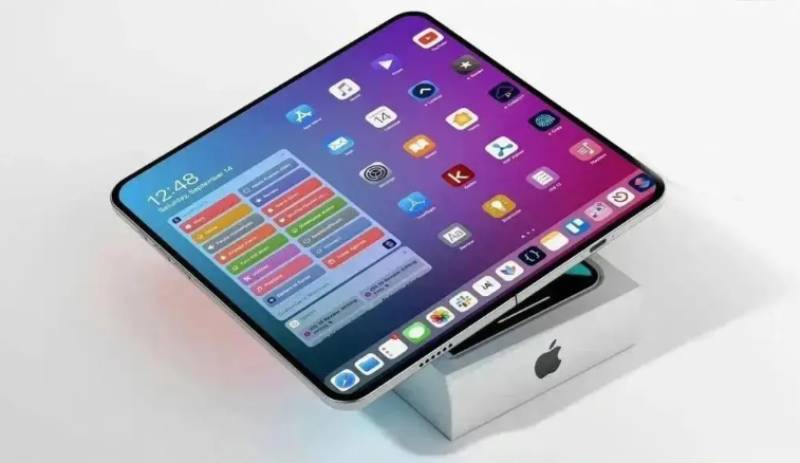
iPhone Fold’s “fold-line-free” breakthrough will force Android brands to accelerate technological upgrades in materials and hinges. Combined with iOS’s 1.8 billion user ecosystem and seamless iPad app migration, it’s expected to reshape the high-end foldable market pattern.
2. Pricing & User Focus
Priced at around $2,000 (≈14,000 RMB), targeting business users and iOS loyalists, the device’s core appeal lies in the combination of flawless hardware experience and mature software ecology. Users are most looking forward to its multi-window productivity features and long-term durability.
五、Conclusion: From “Usable” to “Perfect”—Apple’s New Definition of Foldables and Its Implications for Accessories, Repair, and Refurbishment
For a long time, foldable phones have been trapped in the “usable but not perfect” dilemma due to fold lines, and this pain point has also plagued the accessories, repair, and refurbishment industries. Android foldable screens, with their obvious creases and high vulnerability to structural damage, have led to sky-high repair costs (often accounting for 50%-70% of the device price) and limited options for replacement parts. Refurbishers have struggled with low yields due to difficulty in restoring creased screens to like-new condition, while accessory makers have faced challenges in designing protective cases that balance protection and foldability without worsening crease issues.
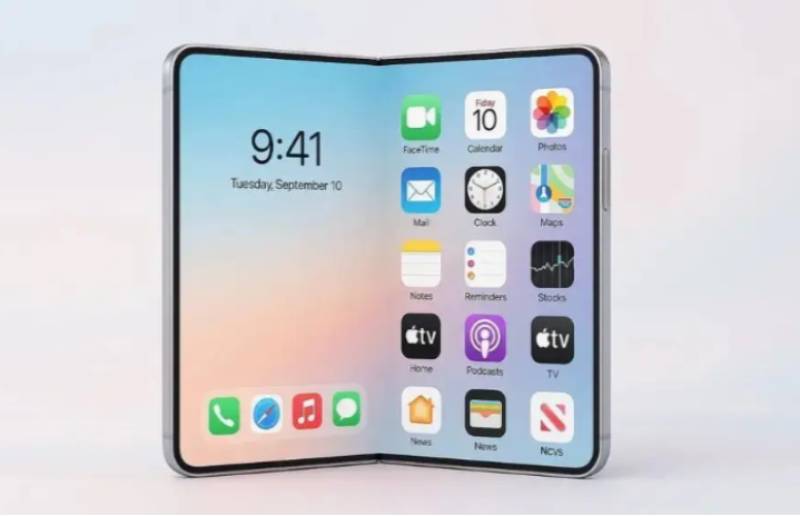
Apple’s entry into the foldable market with the “fold-line-free” iPhone Fold is not just a hardware innovation, but a game-changer for the entire industry chain. Its customized screen structure, high-strength liquid metal hinge, and rigorous quality control (200,000 folding cycles) will significantly reduce the core failure rate of foldable devices—good news for both users and the repair/refurbishment sector. Whether the fold-line-free experience will win full market recognition remains to be tested by sales, but one thing is certain: iPhone Fold is pushing the foldable industry from “functional satisfaction” to “pursuit of perfection,” and this shift will also drive the accessories, repair, and refurbishment sectors to upgrade—toward more professional, standardized, and high-quality services.